What Is CAD/CAM in Dental Labs?
CAD/CAM is a top-tier technology in dentistry today. It helps labs create dental restorations faster and more accurately than traditional methods. In the past, dentists relied on hand-made molds, which took a lot of time to craft and adjust. But now, it completely changes how modern dental labs work. This technology uses digital scanners and software to design restorations, then produces dental crowns with automated machines. As a result, the products are not only beautiful but also fit patients’ teeth perfectly. For example, a complex bridge case that once took 2-3 weeks can now be done in 5-7 days with CAD/CAM. This saves labor, reduces errors, and improves the quality of restorations. Plus, CAD/CAM technology allows labs to store digital data, making it easy to reuse designs if needed. It’s a vital tool for labs aiming to stay competitive in today’s dental industry.
How Does it Work?
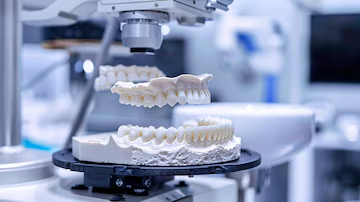
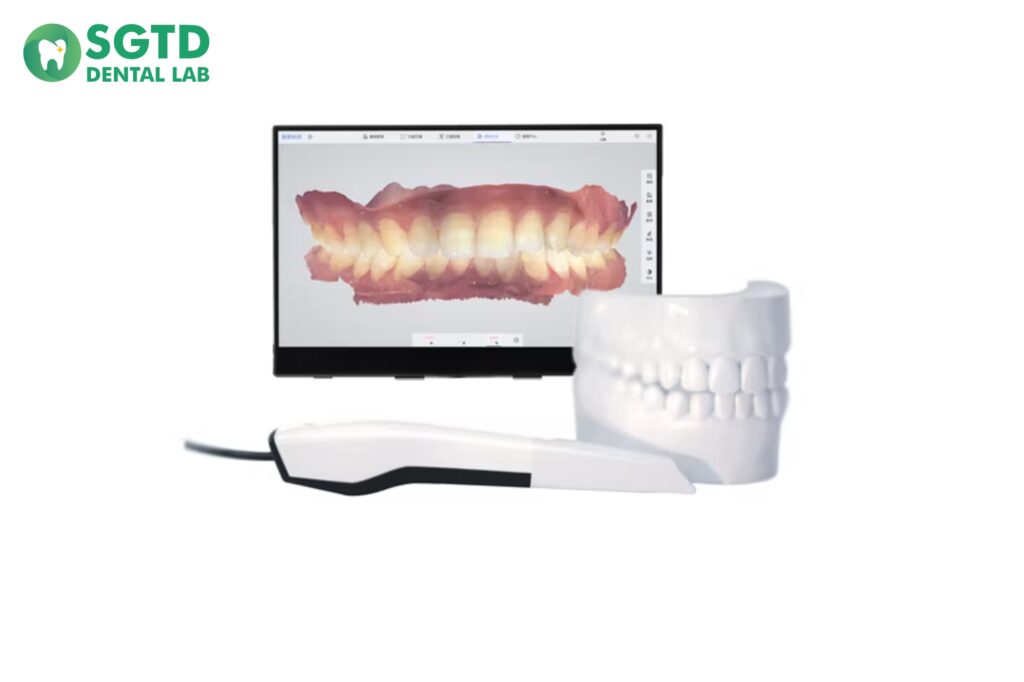
The process in dental labs is simple yet effective. First, a dentist sends a tooth sample or impression to the lab. There, a 3D scanner – part of CAD/CAM technology – captures the image in minutes. This image becomes a digital model on design software. Technicians use the software to craft dental restorations, like bridges or crowns, with high precision. Once the design is ready, CAD/CAM machines mill or 3D-print the product from materials like porcelain, zirconia, or resin. The entire process is tightly controlled, avoiding mistakes common in manual work. For instance, a CAD/CAM dental crown has an error margin of just 20-50 micrometers, compared to 200 micrometers with hand-made methods. This ensures a snug fit with minimal adjustments when placed on a patient. Thanks to CAD/CAM, modern dental labs produce faster while keeping quality high.
Applications of CAD/CAM in Labs
Crafting Crowns and Bridges
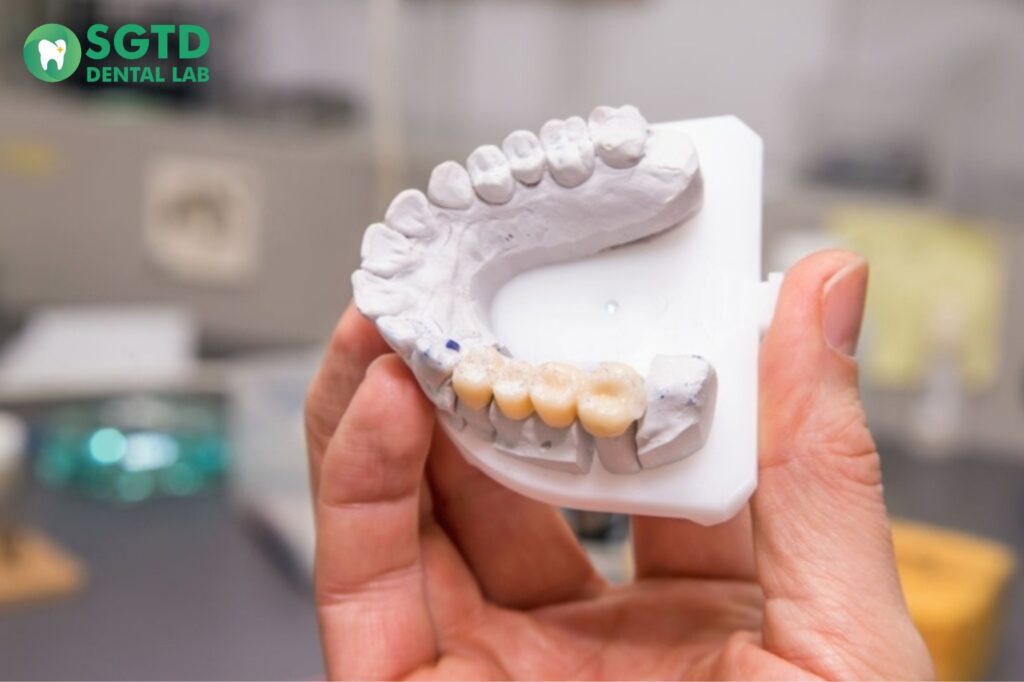
The most common is making dental crowns and bridges. CAD/CAM machines mill materials like zirconia into durable, attractive products. The digital process ensures precise designs and cuts production time. For example, a three-unit bridge that took 10 days by hand now takes 3-5 days with CAD/CAM. It’s perfect for cases needing quick delivery.
Aesthetic Caps
Additionally, that essential technology creates aesthetic crowns from lithium disilicate. This material is translucent, mimicking real teeth, and is very popular. CAD/CAM technology ensures these crowns are both stunning and strong, ideal for patients wanting a better smile. A aesthetic crown case can be completed in 48 hours, from design to fitting.

Benefits of CAD/CAM in Labs
CAD/CAM offers huge advantages for dental labs. First, it’s incredibly precise. The tiny error margin of CAD/CAM dental crowns means they fit perfectly, needing little adjustment. Second, this modern techlonogy is faster than old methods. A restoration that once took weeks is now done in days with CAD/CAM machines. This lets labs handle more orders and boost revenue. Third, it saves effort. Instead of technicians doing every step by hand, CAD/CAM automates most of the process, needing only oversight. It also works with various materials like porcelain, zirconia, or resin, meeting diverse dentist needs. Finally, it helps modern dental labs build a strong reputation, attracting clients with consistent quality and fast turnaround times.
How to Transforms Dentistry
CAD/CAM brings major changes to dentistry. Before, labs depended on technicians’ skills, which led to errors and delays. Now, CAD/CAM makes dental restorations quicker and better. It stores designs digitally, making edits or remakes easy. For example, if a dentist wants a crown design tweaked, a lab using CAD/CAM can adjust and produce it in hours. This saves time for both lab and dentist. Plus, CAD/CAM technology handles complex cases—like long bridges or implant restorations—that were tough with older methods. As a result, modern dental labs compete better, meeting the rising demands of patients and dentists alike.
The Future of CAD/CAM in Labs
CAD/CAM will keep growing strong in the future. New machines use AI to design faster and more accurately. Combining 3D printing with CAD/CAM creates detailed, complex dental restorations. For instance, a full-arch implant case could be done in 24 hours with new tech, instead of a week. Also, CAD/CAM technology integrates with intraoral scanners, letting labs get data straight from dentists without physical models. This cuts shipping costs and wait times. In the coming years, CAD/CAM will be the main tool in every modern dental lab, pushing dentistry further in oral care.
Why Pick CAD/CAM?
CAD/CAM is an essential technology in dental labs. It makes CAD/CAM dental crowns fast, beautiful, and precise, outshining old methods. With CAD/CAM, labs save time, improve quality, and better serve clients. SGTD Dental Lab offers a “First Case Free” program, letting you try an essential technology at no cost for your first case. It’s a chance to see the difference CAD/CAM makes. Don’t miss out – learn more here. Official Australian sources like the Department of Health also recognize this technology in dentistry.
Contact SGTD Dentallab for Free your First Case
Get Started Today:
1. Register Google My Business for our 1 QLD labs to easily find SGTD Dental Lab.
2. Visit www.sgtdlab.com to claim your Free Crown Fabrication in Australia with Crown Fabrication from Scan Files.
3. Request a brochure from our Australian marketing team for SGTD Dentallab offers.
Contact:
– Hotline: +04 8899 8494
– Email: info@sgtddentallab.com
– Website: https://sgtddentallab.com/
What do you think of SGTD Dentallab’s Crown Fabrication from Scan Files? Share your thoughts below!